Your marketing campaigns generate phone calls, but do you know exactly which ones? For many businesses, the phone call remains a blind spot in analytics: clicks, forms and online conversions are measured, but the phone escapes reporting. Call tracking fills exactly that gap.
With marketing budgets under close scrutiny and pressure on profitability growing, understanding which source generates which call is becoming strategic. Let's look at what call tracking is, how it works and why it has become a must-have in 2026.
What is call tracking?
Call tracking is a technology that attributes every inbound phone call to its exact marketing source. In practice, it links a call to the channel, the campaign or even the keyword that triggered it.
Where web tools measure online conversions, call tracking extends that measurement to the phone channel. It turns the call, long considered unmeasurable, into actionable data on a par with a click or a form submission. For businesses where a significant share of conversions happens over the phone, it is a revolution in visibility.
How does call tracking work?
The principle relies on assigning dedicated phone numbers. Depending on your needs, two main approaches coexist.
Static number tracking
A unique number is assigned to each channel or medium: one number for your print ads, another for a radio campaign, a third for a specific page. When a call comes in on one of these numbers, its source is identified immediately. Simple and effective for offline channels.
Dynamic tracking
More advanced, dynamic tracking displays a different number depending on where the visitor to your website came from. The system thus links each call to the visitor's online journey: campaign, traffic source, even search keyword. It is the most granular approach for measuring digital marketing performance.
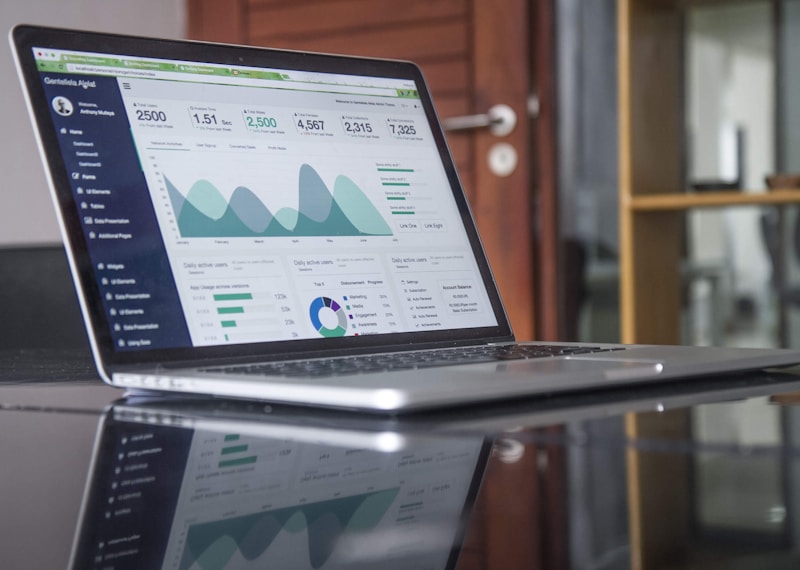
In both cases, the call is then recorded in a dashboard, with its source, duration and outcome. This data can feed into your analytics tools and your CRM for a unified view.
Why adopt call tracking in 2026?
Several underlying trends make call tracking particularly relevant today.
Optimize your marketing budgets
Without call tracking, part of your conversions remains invisible. You risk underestimating campaigns that generate many calls but few measured clicks, and overinvesting elsewhere. Call tracking reveals the true contribution of each channel, so you can reallocate budgets to what actually converts.
Calculate a reliable ROI
By linking calls to campaigns, you get a complete return on investment that finally includes the phone channel. Budget decisions become more precise and are based on solid data rather than gut feeling.
Improve the customer experience and follow-up
Call tracking is not just for marketing. Call analysis surfaces recurring reasons for calling, frequent questions and potential friction points. These insights help improve scripts, team training and the offer itself.
Bridge online and offline
The customer journey has become hybrid: a prospect discovers a brand online, then calls to finalize. Call tracking connects these two worlds and provides a unified view of the journey, which is essential for steering a modern marketing strategy.
The concrete benefits for your business
Beyond the theory, call tracking delivers tangible, measurable advantages:
- Precise attribution of each call to its source.
- Less wasted ad spend by cutting underperforming campaigns.
- A higher conversion rate thanks to a better understanding of callers.
- Improved service quality through conversation analysis.
- Stronger alignment between marketing and sales teams.
Companies that adopt call tracking often see a noticeable improvement in the efficiency of their marketing spend, simply because they stop investing blindly in the phone channel.
How to get started with call tracking
Setting up effective call tracking cannot be improvised. A few best practices help ensure success:
- Define your goals: measure a campaign, optimize a budget, improve service.
- Choose the right type of tracking, static or dynamic, depending on your channels.
- Integrate call tracking with your analytics tools and your CRM.
- Train your teams to make use of the data collected.
- Comply with regulations on data protection and call recording.
A gradual rollout, focused on a few priority channels, quickly demonstrates the value before a wider deployment.
Conclusion
In 2026, call tracking is no longer an option reserved for large companies: it is an essential management tool for any organization whose calls matter. By making the phone channel visible and measurable, it lets you optimize budgets, calculate a reliable ROI and improve the customer experience. Ignoring your calls means running your marketing with part of the dashboard hidden.
Want to finally know which campaigns generate your calls and optimize your marketing investments? Ringfluent offers a complete call tracking solution, built into intelligent cloud telephony. Request a demo and take back control of your phone attribution.